
Proven through
the worst of winter.
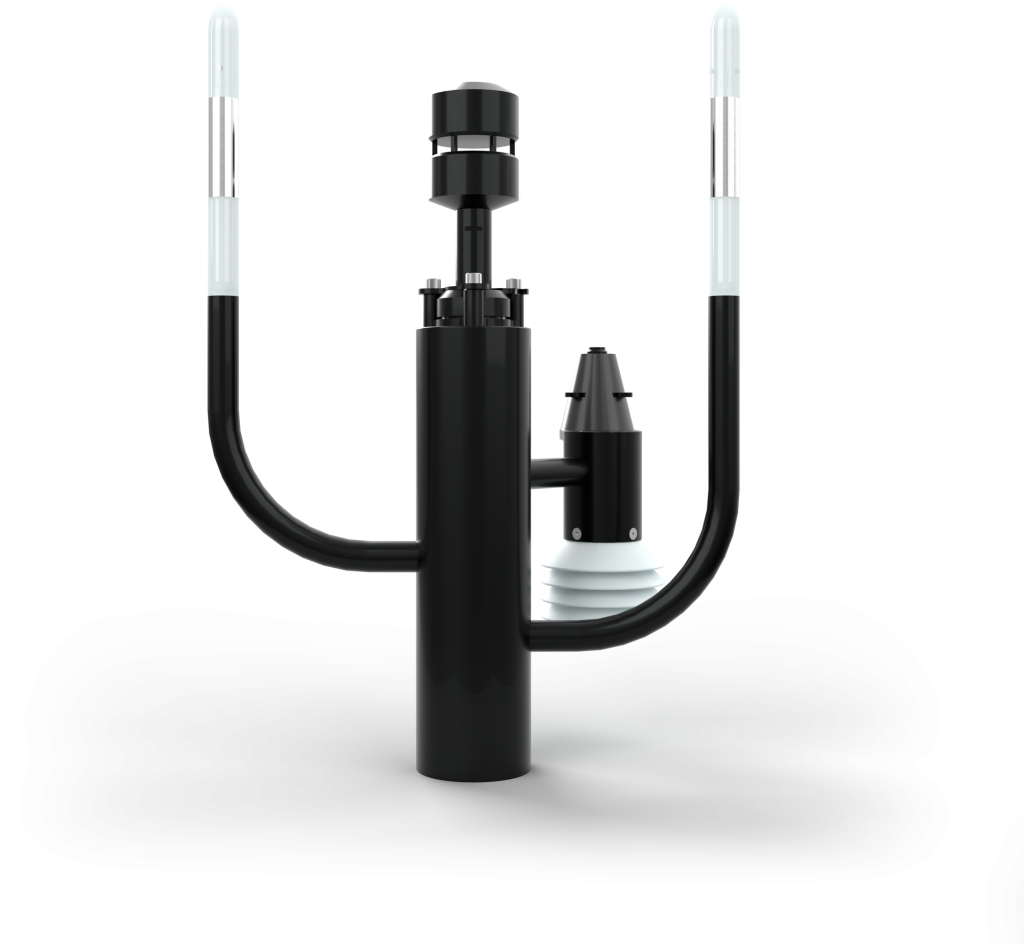
The original Icetek ice condition monitor. A continuously heated, patented detection head that flags icing as it forms. Field-proven across North America and Europe since 2011.
See the event
as it happens.
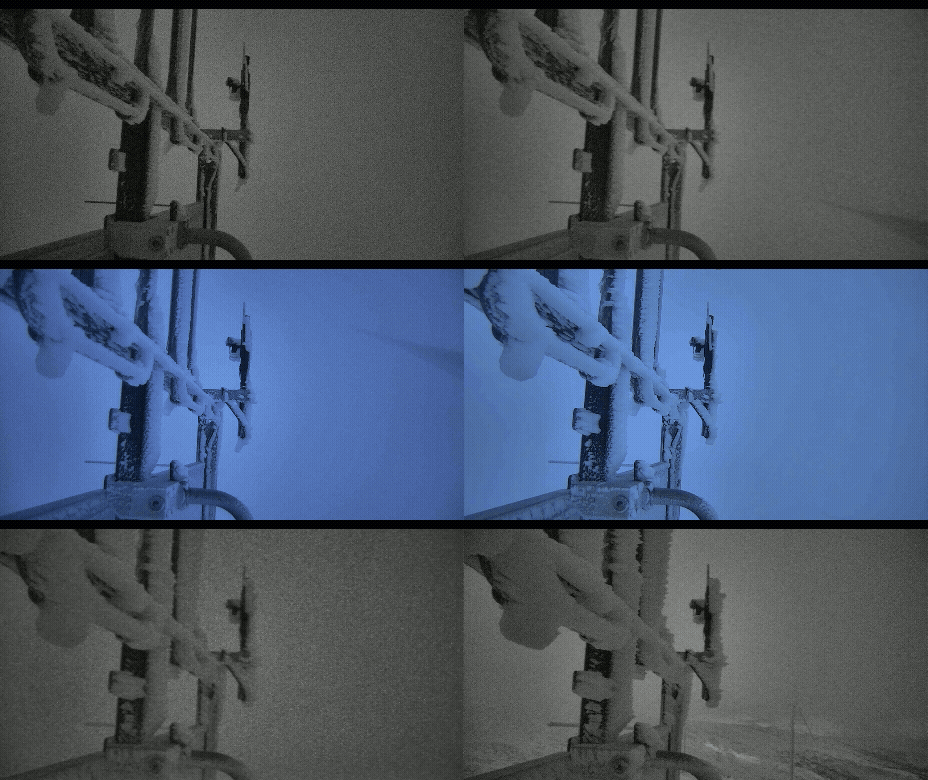
The IC-1 watches the air around the turbine, not just the surface it sits on. It catches the onset of an icing event and tracks it through to thaw, so operators can act on what's forming, not react to what already formed.
Nine measurements,
one sealed unit.
The IC-1 is a complete environmental station for icing. Detection, meteorology, and the integration to act on both, without bolting on a rack of separate sensors.
Ice detection
Onset detection
Flags the moment ice begins to accrete, before it loads the blades.
Intensity & type
Classifies icing severity and distinguishes glaze from rime (ISO 12494).
Liquid water content
Estimates LWC in the airflow to quantify how aggressive the event is.
Meteorological monitoring
Wind speed & direction
Heated ultrasonic anemometer keeps wind data reliable through freezing precipitation.
Temp · humidity · pressure
Calibrated ambient measurements feed both detection and your met records.
Solar & precipitation
Rounds out the local picture the icing model and your forecasts depend on.
Integration & automation
Blade-heating trigger
Drives de-icing systems directly from the sensor's icing signal.
Modbus TCP / RS-485
Open industrial protocols drop into existing turbine controllers.
SCADA compatibility
Relay and 4–20 mA outputs integrate with the control room you already run.
A patented way
to measure ice.
Most detectors only notice ice once it has built up on a surface. The IC-1 uses a patented heat-transfer method: it doesn't wait for ice to accumulate. It reads the conditions that create it.
Because the sensing head is heated without interruption, it never ices over and never goes blind during the event you most need to see.
Two heated probes
A pair of probes is held at a controlled temperature. One is exposed to the airflow; the heat it takes to stay clear is the signal.
Measure the heat transfer
When supercooled droplets strike and freeze, they pull heat away. The onboard microcontroller reads that change continuously.
Resolve the icing state
From the heat-transfer signature the IC-1 derives onset, intensity, type, and liquid water content, then reports it in real time.
Wherever the winter
is the problem.
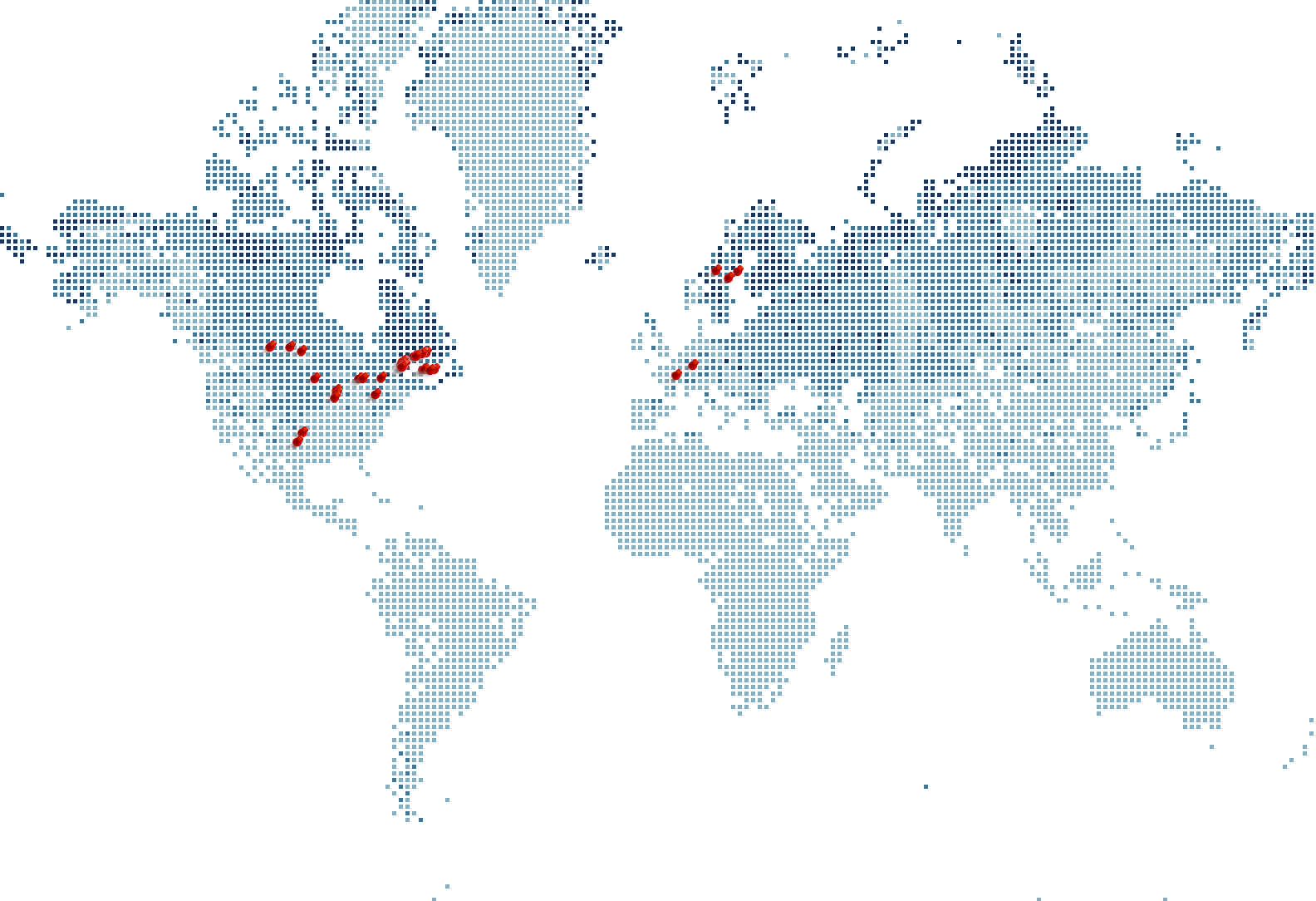
From the ridgelines of Eastern Canada to the alpine and northern-European wind fleet, IC-1 units run through the seasons that take other sensors offline.
Operators who rely on it.
IceBrain is also a component-level strategy, optimizing individual turbine components.
I use IceBrain as a daily tool to remotely monitor real-time icing conditions.
The numbers,
plainly.
IceBrain
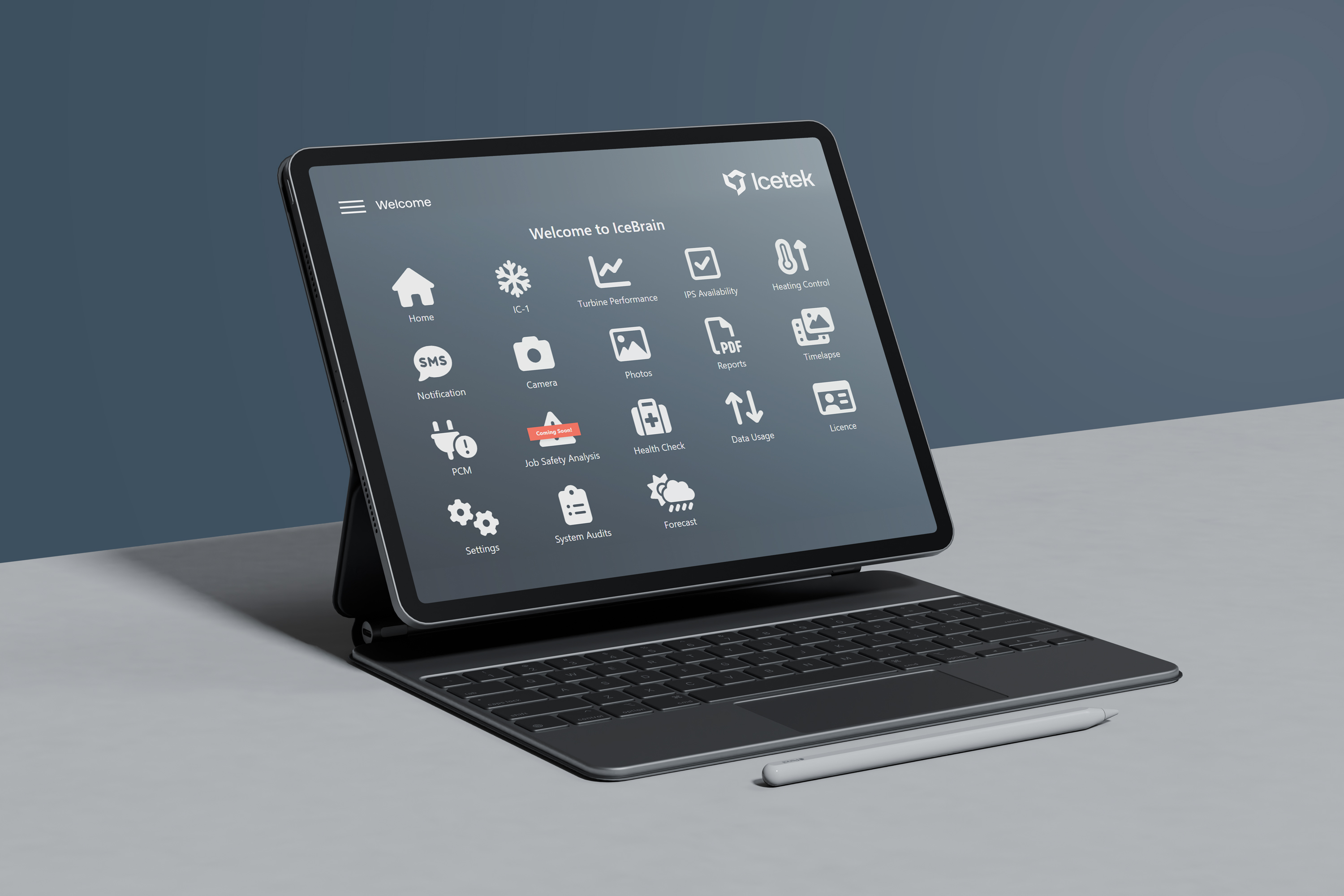
IceBrain takes the IC-1's data, couples it with turbine data and weather forecasts, and turns it into icing management you can act on: 48-hour ice forecasts, threshold alerts, automatic heating schedules, and fleet-wide dashboards.
Discover IceBrainSpecify your deployment.
Tell us about the site (how many turbines, the regional icing profile, your SCADA) and we'll send a deployment plan, a technical sheet, and a quote within a week.